
Introduction
Across Australia, businesses are facing increasing pressure to improve safety outcomes, protect employee wellbeing and maintain operational efficiency. One issue that continues to affect organisations of all sizes is fatigue. Whether employees work in offices, warehouses, transport, construction, healthcare or resource industries, fatigue can significantly impact decision-making, concentration and overall performance.
Effective workplace fatigue management is no longer just a safety initiative. It has become an essential business strategy. Organisations that fail to address fatigue risks may experience increased incidents, reduced productivity, higher absenteeism and greater operational costs.
This growing awareness has led many Australian employers to invest in fatigue management training, fatigue risk management training and comprehensive employee fatigue management solutions. Organisations are recognising that proactive fatigue prevention is far more effective than responding to incidents after they occur.
As a recognised leader in sleep and fatigue management, Beyond Midnight Consulting helps Australian workplaces develop practical strategies that support safer, healthier and more productive teams.
Understanding Workplace Fatigue and Its Impact
Fatigue is more than simply feeling tired after a busy day. It is a physical and mental state that reduces a person’s ability to perform tasks safely and effectively.
Workplace fatigue may result from:
- Insufficient sleep
- Long working hours
- Shift work
- High workloads
- Stress
- Extended commuting times
- Irregular work schedules
When fatigue becomes chronic, employees may experience:
- Reduced concentration
- Slower reaction times
- Poor judgement
- Increased errors
- Reduced productivity
- Higher injury risks
Research consistently shows that fatigue can impair performance similarly to alcohol impairment. This makes fatigue one of the most significant yet often overlooked workplace risks across Australia.
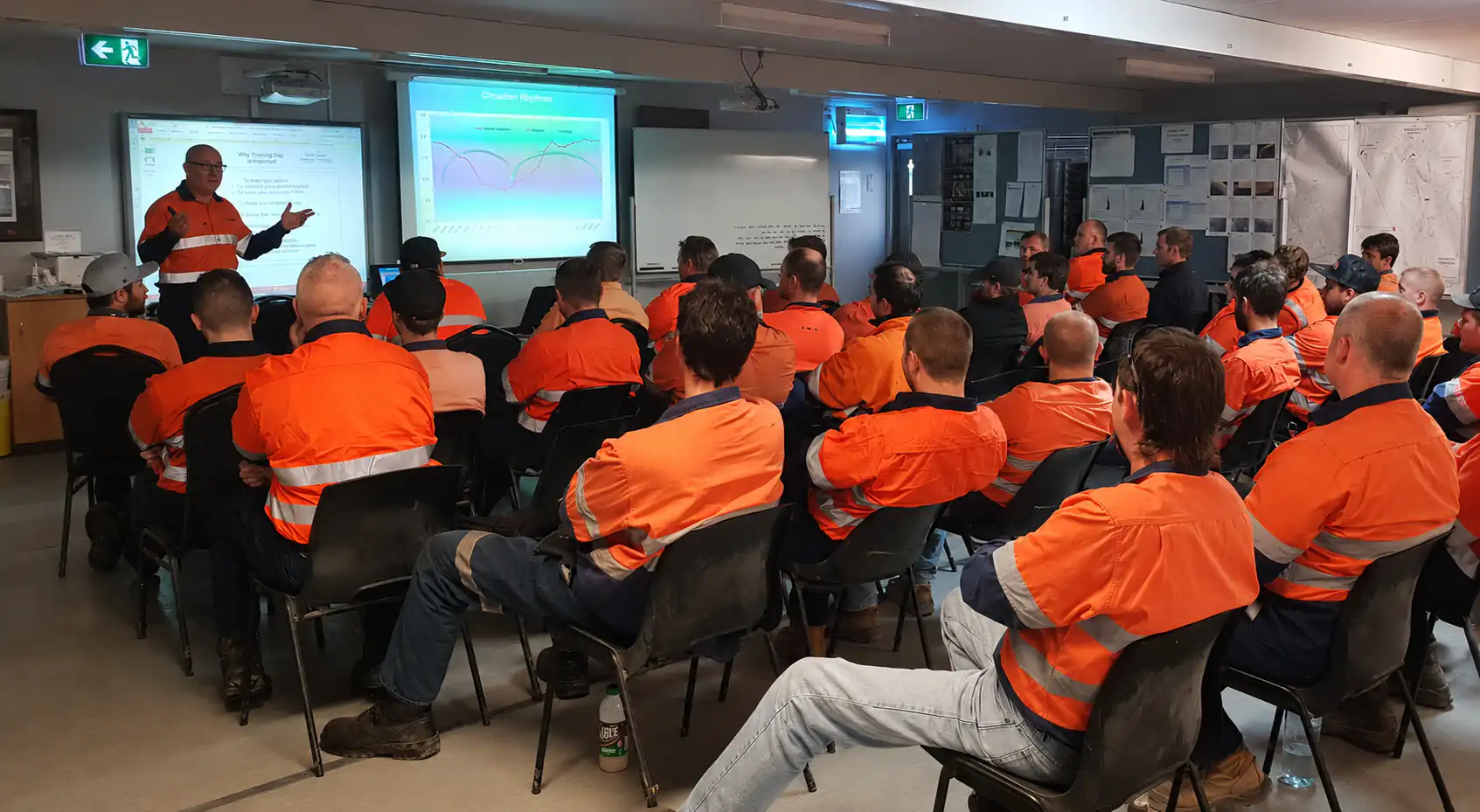
Organisations that implement structured workplace fatigue training programs can help employees understand these risks and take proactive steps to manage them.
Why Australian Businesses Are Taking Fatigue More Seriously
Workplace health and safety expectations continue to evolve across Australia. Employers are increasingly expected to identify, assess and manage fatigue-related risks as part of their overall safety responsibilities.
Several factors are driving greater attention towards fatigue management initiatives in Australia:
Increased Safety Expectations
Regulators expect organisations to actively manage fatigue risks rather than treat fatigue as a personal issue.
Rising Mental Health Awareness
Many businesses now understand the strong connection between sleep quality, fatigue, mental wellbeing and workplace performance.
Growing Operational Demands
Modern workplaces often operate around the clock. Shift work, remote operations and demanding schedules make employee fatigue training more important than ever.
Workforce Retention Challenges
Organisations that prioritise wellbeing are often more successful in attracting and retaining skilled employees.
For these reasons, many employers are incorporating fatigue awareness training into their broader health and safety strategies.
The Benefits of Fatigue Management Training
One of the most effective ways to address fatigue risks is through structured fatigue management training programs.
High-quality training helps employees:
- Recognise fatigue warning signs
- Understand sleep science
- Improve recovery practices
- Develop healthier routines
- Identify workplace fatigue risks
- Make safer decisions
For leaders and managers, training provides additional benefits by improving their ability to identify fatigue-related concerns within their teams.
Many organisations now utilise supervisor fatigue management training to strengthen leadership capability and improve workplace accountability.
Benefits of effective training include:
- Reduced workplace incidents
- Improved employee wellbeing
- Increased productivity
- Better decision-making
- Stronger safety culture
- Reduced absenteeism
- Enhanced compliance outcomes
These outcomes demonstrate why fatigue risk management training continues to gain momentum across Australian industries.
Modern Learning Solutions Are Making Training More Accessible
Traditional classroom-based learning remains valuable, but today’s organisations increasingly seek flexible learning options.
The demand for online fatigue management training Australia programs continues to grow because they offer:
- Flexible scheduling
- Consistent training delivery
- Cost-effective implementation
- National accessibility
- Scalable workforce education
Many businesses combine online learning with corporate sleep awareness workshops and interactive discussions to reinforce learning outcomes.
This blended approach helps organisations create long-term behavioural change rather than simply delivering compliance-focused training.
Additionally, modern workplace fatigue management courses can be customised to address industry-specific challenges, ensuring employees receive relevant and practical guidance.
Building a Sustainable Fatigue Management Culture
Training is only one component of an effective fatigue strategy.
Successful organisations integrate fatigue management into their everyday operations by:
- Reviewing rostering practices
- Encouraging healthy sleep habits
- Promoting wellbeing initiatives
- Monitoring fatigue risks
- Supporting open communication
- Providing ongoing education
Many organisations also implement fit-for-work safety training programs to help employees understand their responsibilities regarding fatigue and personal readiness for work.
Combining Fatigue management courses in Australia with broader organisational initiatives creates a stronger and more sustainable safety culture.
When employees understand how fatigue affects performance and feel supported by their employer, organisations often experience lasting improvements in both safety and productivity.
Conclusion
Fatigue remains one of the most significant workplace risks facing Australian organisations today. However, with the right education, leadership commitment and proactive strategies, businesses can effectively reduce fatigue-related risks and create healthier, safer workplaces.
Investing in workplace fatigue management, fatigue awareness training, employee fatigue management solutions, and fatigue risk management training is not simply about compliance. It is about protecting people, improving performance and building resilient organisations prepared for future challenges.
If your organisation is looking to strengthen its approach to sleep and fatigue management, Beyond Midnight Consulting offers evidence-based training, online learning solutions and practical workplace programs designed to help Australian businesses achieve safer and more productive outcomes.
Contact Beyond Midnight Consulting today to learn how tailored fatigue management solutions can support your workforce, reduce risk and enhance workplace performance.
