
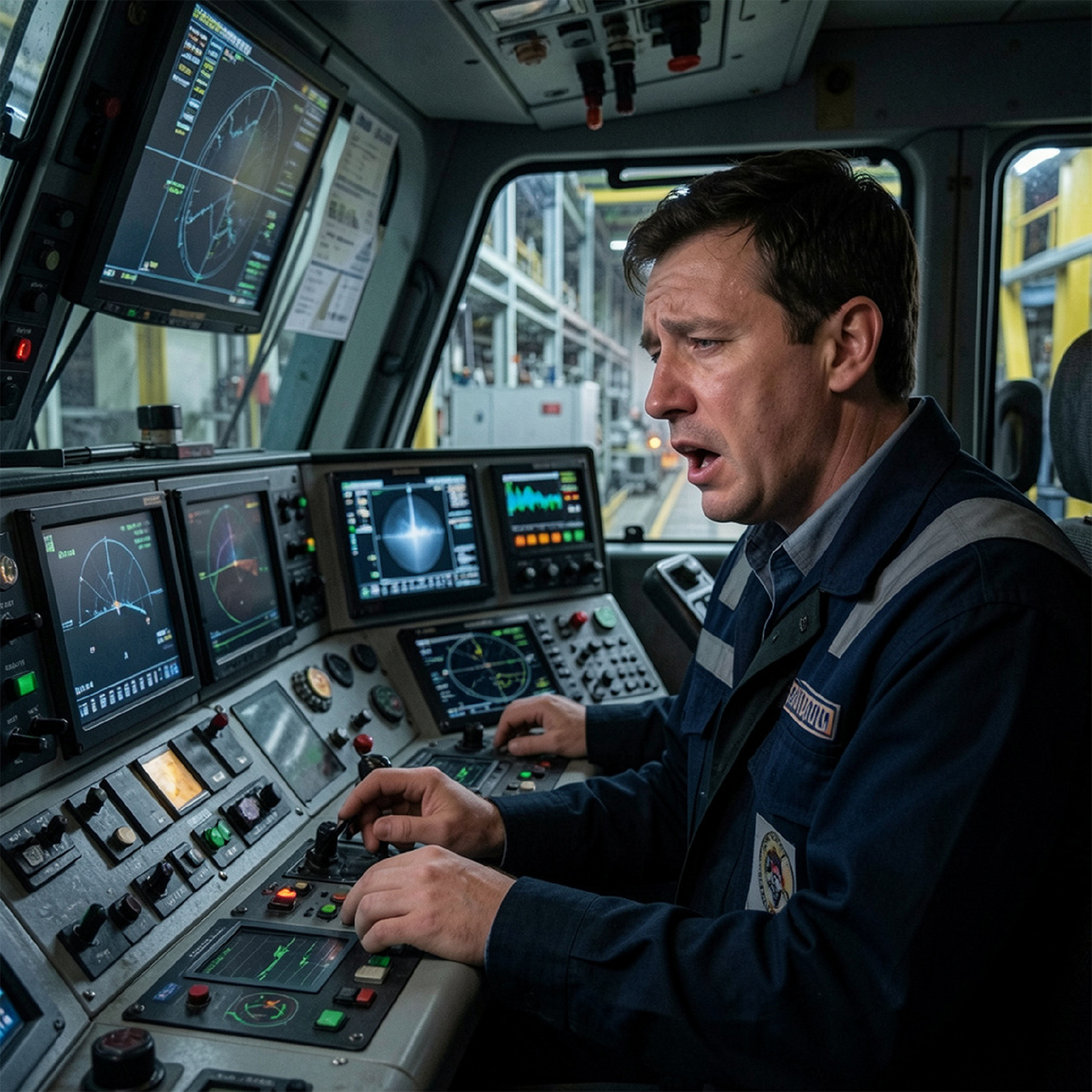
In high-risk workplaces, incidents rarely happen without warning. More often than not, the warning signs appear long before an accident occurs. One of the most dangerous and least recognised warning signs is the micro-sleep — a brief, involuntary lapse into sleep that can last just a few seconds but have devastating consequences.
Whether an employee is operating heavy machinery, driving a vehicle, working a night shift, or making critical decisions, even a momentary loss of alertness can place lives, assets and business operations at risk. This is why fatigue management training has become an essential component of modern workplace safety programs.
At Beyond Midnight Consulting, supervisor-focused training goes beyond simply explaining what fatigue is. It equips leaders with practical skills to identify fatigue-related risks, recognise the early indicators of micro-sleep events and intervene before a serious incident occurs. The organisation provides specialised supervisor modules designed to help workplaces create a stronger fatigue risk management culture.
Understanding Micro-Sleeps in the Workplace
A micro-sleep is a short episode of sleep that occurs when a person is struggling to stay awake. The individual may not even realise it has happened. Their eyes may close briefly, attention may drift, or they may lose awareness of their surroundings for a few seconds.
Unfortunately, those few seconds are often enough to trigger a workplace accident.
Micro-sleeps commonly occur when workers experience:
Sleep deprivation, consecutive night shifts, extended working hours, circadian rhythm disruption, long periods of monotonous work, and high mental workload.
Research consistently shows that fatigue reduces attention, slows reaction times, impairs memory and affects decision-making capabilities. These cognitive impairments significantly increase workplace risk.
Why Supervisors Play a Critical Role
Many organisations focus fatigue education solely on employees. While employee awareness is important, supervisors are often the first line of defence against fatigue-related incidents.
Effective fatigue management training teaches supervisors how to recognise fatigue symptoms early, monitor worker behaviour, assess operational risk, make informed decisions regarding work allocation, create supportive reporting environments, and implement fatigue mitigation strategies.
A fatigued worker may not always self-report their condition. Some employees fear appearing weak, while others underestimate their level of impairment. Supervisor awareness helps bridge this gap. Beyond Midnight Consulting specifically offers dedicated training modules for supervisors and managers to strengthen workplace fatigue management practices.
The Early Warning Signs of Micro-Sleep
One of the most valuable lessons delivered during fatigue management training is learning how to recognise the behavioural indicators that often precede a micro-sleep.
Frequent Yawning: Persistent yawning may indicate increasing sleep pressure and declining alertness.
Heavy Eyelids: Workers may struggle to keep their eyes open, blink excessively, or display prolonged eye closures.
Reduced Concentration: Employees may lose track of conversations, forget instructions, or require repeated reminders.
Slower Reaction Times: Delayed responses to questions, alarms, or workplace events can indicate cognitive impairment.
Poor Decision-Making: Fatigue can affect judgement, leading workers to take shortcuts or make risky decisions.
Head Nodding: Repeated head drops or sudden jerking movements are often immediate indicators of extreme fatigue.
Reduced Situational Awareness: Workers may appear disconnected from their surroundings or fail to notice obvious hazards.
Building a Fatigue Risk Management Culture
Strong organisations understand that fatigue is not solely an individual responsibility.
A successful fatigue risk management training program teaches supervisors how to create systems that minimise fatigue exposure across entire teams, including managing shift schedules effectively, monitoring overtime hours, encouraging adequate recovery periods, supporting healthy sleep habits, identifying high-risk work periods, and promoting open communication.
Beyond Midnight Consulting emphasises the importance of creating a “fit for work” culture where safety, productivity and employee wellbeing work together.
The Cost of Ignoring Fatigue
The consequences of unmanaged fatigue extend far beyond workplace incidents.
Organisations may experience increased injury rates, vehicle accidents, equipment damage, productivity losses, higher absenteeism, increased workers compensation claims, reduced employee engagement, and reputational damage.
Australian workplaces continue to face significant challenges related to fatigue. Industry estimates suggest fatigue contributes to thousands of workplace incidents annually while costing businesses billions through lost productivity and associated expenses.
Why Supervisor Training Delivers Better Outcomes
Many businesses invest heavily in safety systems while overlooking the human factors that influence performance.
Supervisor-focused fatigue management training helps leaders detect risk earlier, make better operational decisions, support employee wellbeing, reduce incident rates, and strengthen workplace safety culture.
Importantly, training transforms fatigue from an invisible risk into a manageable operational hazard.
When supervisors understand the science of sleep, the effects of fatigue and the indicators of micro-sleeps, they gain the confidence to act before problems escalate.
Partner with Beyond Midnight Consulting
At Beyond Midnight Consulting, fatigue education is built around practical workplace outcomes. The organisation offers comprehensive sleep awareness training, supervisor fatigue management training, fatigue risk assessment, employee fatigue training, workplace sleep health training and industry-specific programs for sectors including mining, transport, healthcare, rail, and oil and gas.
The goal is simple: help organisations recognise fatigue before fatigue creates an incident.
A few seconds of micro-sleep can change everything. The right training ensures those few seconds never happen.
